
藉由執法與偵查,收購人民 Google 搜尋關鍵字、智慧手錶行跡等生活側寫,不知不覺成功監控。老大哥還在看著你,只是比以往躲得更深。
整理撰文|陳廷彥、林冠廷;編輯|OCF Lab
搜尋記錄、智慧裝置的使用數據,都成了國家監視的工具

隨著科技公司搜集資料的範圍愈來愈廣,這些原本只是用來更新演算法的資料,最後時常成為國家執法機關偵查犯罪的工具。


藉由執法與偵查,收購人民 Google 搜尋關鍵字、智慧手錶行跡等生活側寫,不知不覺成功監控。老大哥還在看著你,只是比以往躲得更深。
整理撰文|陳廷彥、林冠廷;編輯|OCF Lab
隨著科技公司搜集資料的範圍愈來愈廣,這些原本只是用來更新演算法的資料,最後時常成為國家執法機關偵查犯罪的工具。

犧牲資安換取便利?法制不全政府擴權?台灣「數位晶片身分證」發行緊急喊卡,資安和法律的質疑聲浪再掀高峰。目前時下討論文章多以歐洲國家為主,OCF 特此訪問日本、韓國、馬來西亞、新加坡,用較貼近台灣的亞洲 4 鄰國作為前車之鑑,洞悉 eID 各層面疑慮!
亦提供以上三篇文章的英文翻譯版本,歡迎分享給使用英文的朋友閱覽。


當高科技執法沒有完整法律定義,政府的擴權將如溫水煮青蛙,不知不覺越過人民隱私界線。
作者:陳廷彥 | 編輯:OCF Lab
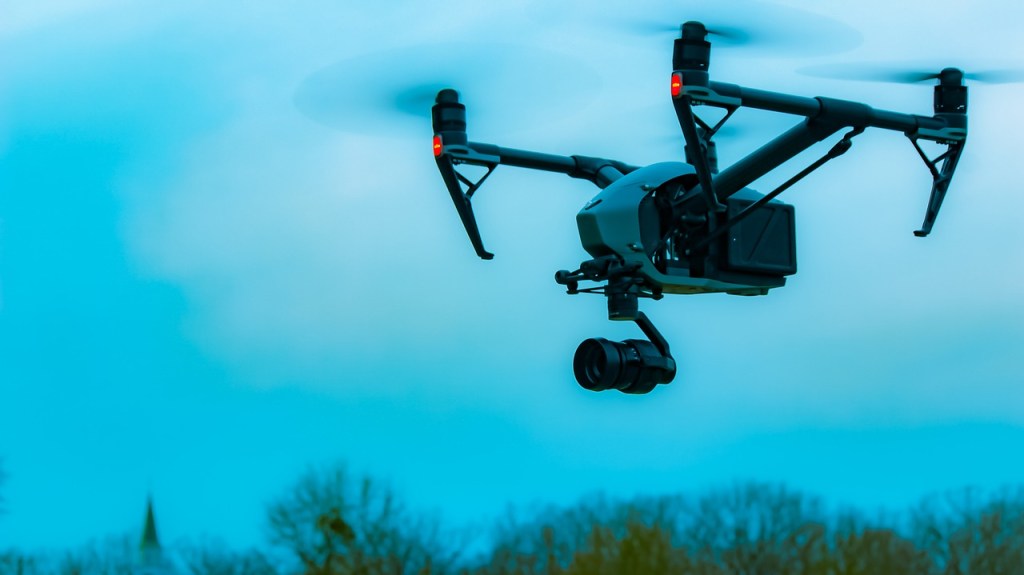
2020年 9月,法務部公告將制定《科技偵查法》並擬定草案,警調單位對於「非隱私空間」將可以自由運用空拍機、GPS 蒐證;經法院同意甚至可以植入木馬程式到嫌疑人的通訊裝置中。關於「非隱私空間」的定義,實際上存在很大的模糊空間:以往制定隱私權保護相關規則時,由於仍無科技執法的概念,故往往以物理空間來定義,從戶外利用空拍機、熱感應等科技向個人生活空間進行搜索,並無物理上侵害空間,在新的法律下可能也不需要經過法院同意。這些做法,都已經引發嚴重隱私疑慮。
在某些國家,利用數位科技進行犯罪偵查行之有年。本文將以南韓、德國為例說明,並呼籲在引進科技偵查的同時,台灣政府也應該參考這些國家運用科技辦案蒐證的方式與曾引發的疑慮,評估科技偵查侵害人權的可能性,不應一味「效仿」他國,抄取手段、忽略風險。

本文將接續《亞洲國家數位身份證的使用概況》的上篇,介紹「非強制性推廣智慧裝置數位身分證」的南韓、新加坡,以及尚在轉型階段的台灣現況,並彙整訪談國家之資訊,談台灣的數位辨識發展可借鑑他國先例之處。
作者/採訪者:張苓蕾;編輯:OCF Lab
去五十年來,資訊科技日新月異已將我們推向數位人生,許多國家選擇與時並進,一一加入數位化的行列,亞洲各國也不例外。近年來數位身份證 (eID) 席捲全球,有了數位身份證,人們再也不必在凌亂的皮包裡翻找各種證件,只須一張卡片就能讀取重要的個人資訊,但這樣的便利其實伴隨著個人資料外洩的資安疑慮。面對數位身份證,有些國家選擇強制推行,讓使用普及度提高,更好施展相關政策與規劃;有些國家讓民眾保有選擇權,放緩國家數位化的速度,使國人有足夠時間適應這種新的生活模式。
※關於 MyKad 駕照相關敘述,於 2021/1/12 更正內容。
作者/採訪者:張苓蕾;編輯:OCF Lab
本文將探討數位身份證在亞洲五個國家的推動與發展,依照不同推行機制,(上)篇文章介紹「非強制推廣數位身份」的日本與「強制推廣數位身分證」的馬來西亞;(下)篇文章則介紹「非強制性推廣智慧裝置數位身分證」的南韓、新加坡,以及尚在轉型階段的台灣現況,以帶讀者一覽數位身份證在亞洲的使用情況。
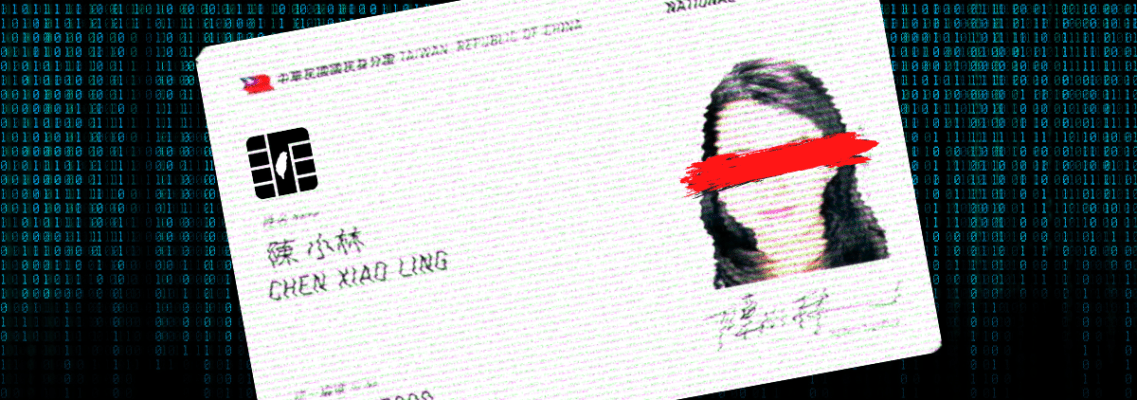
不過是加個晶片,明明更方便,為何這麼多專家學者急跳腳?本文作為〈追擊 eID〉系列的首篇,將簡潔地介紹「數位晶片身分證」與其相關政策缺失帶來的 4 項疑慮,以及可避免個資外洩甚至國安問題的 3 點建議。
作者:何明諠;編輯:OCF Lab
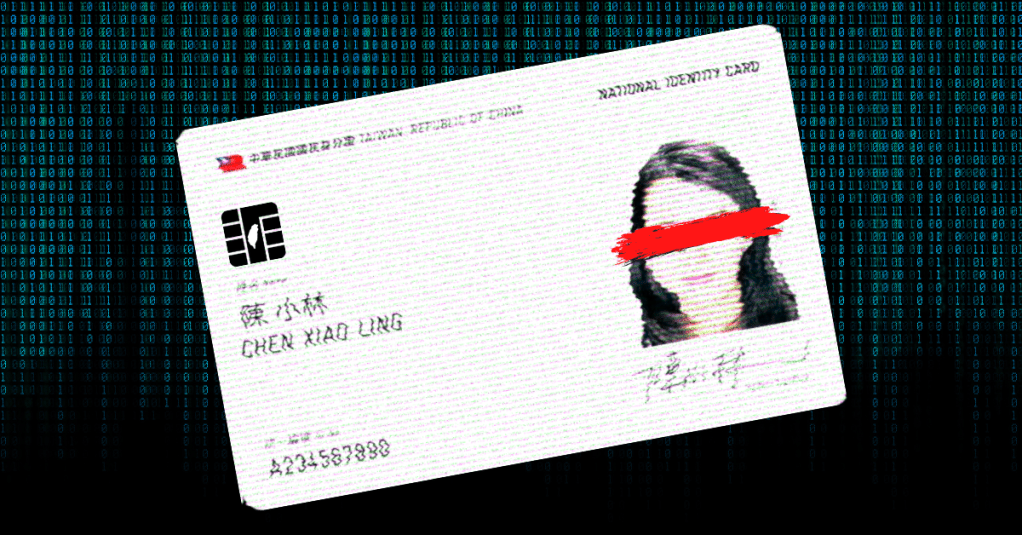
台灣自 2015 年起再次啟動全面換發數位身分證的計畫,這是政府在 1998 年及 2005 年後,第三次正式啟動與數位身分的計畫。
本次製作數位身分證的政策自 2015 年發起至今歷經了多次修正。目前最新的計畫,是政府預計將現有的身分證結合自然人憑證,製作成新式數位晶片身分證,並預計於 2021年 1 月於澎湖縣、新竹市、新北市板橋區及永和區試辦, 2021 年 7 月開始全面換發(此文撰於 2020/11,12 月時四區已退出試辦,且換發暫緩)。

作者:BILL BUDINGTON AND JON CALLAS
翻譯:開放文化基金會 Open Culture Foundation
本篇原文來自美國電子前線基金會 (Electronic Frontier Foundation; EFF),此篇為翻譯文章。
EFF 原文請點此閱讀
2020 年 11 月初,蘋果公司 macOS 作業系統的使用者注意到,當連上網路要開啟非蘋果的應用程式時,會有長時間的延遲,甚至導致無法開啟。會造成這樣的狀況,是因為 macOS 的安全服務試圖連上蘋果 OCSP(Online Certificate Status Protocol ; 線上憑證狀態協定) 的伺服器時,因內部錯誤造成無法連線。在安全研究人員深入了解向 OCSP 送出的請求內容後,他們發現這些請求包含了一段雜湊值 (hash),來自正在運作之應用程式的開發者憑證,這個雜湊值是蘋果公司用來做安全檢查用的[1] 。開發者憑證包含對應用程式(例如 Adobe 或 Tor)進行編碼的個人,公司或組織描述,以至於哪些開發者製作的應用程式正在被開啟使用,也同時洩露給蘋果公司。
Written by Lynette Chang | Edited by OCF Lab
Following the release of previous part, this article will look at the non-mandatory implementation of digital and mobile ID via smart devices in Singapore and South Korea, as well as the transition to the use of eIDs in Taiwan. By comparing and contrasting the digital ID experiences in these Asian countries, we hope to identify areas that Taiwan can learn from to improve its digital ID experience when it is rolled out next year.
Singapore’s National Digital Identity Initiative has seen the launching of the Singapore Personal Access (SingPass) Mobile application in 2018. The SingPass Mobile app, which users may access via a 6-digit passcode or biometrically through fingerprint or facial recognition, is a one-stop portal that allows users to access various government services such as MyTax, Singapore’s online tax portal.
Written by Lynette Chang | Edited by OCF Lab
Following the release of previous article in Taiwan, this one will have a look at the non-mandatory digital ID in Japan, and mandatory myKad in Malaysia.
※ About the description of MyKad and driver’s license, the content had been corrected on January 12, 2021.
All residents in Japan including foreign nationals are issued a unique 12-digit Social Security and Tax Number affectionately known as ‘My Number’. Residents may request for a physical My Number Card to access various online administrative services, such as Japan’s online tax portal e-Tax. The card contains photo identification and an IC chip for online identification.

Written by Ho Ming-hsuan | Edited by OCF Lab
The digital revolution in the last half-decade has made digital life a new norm, and many countries are joining a growing number of people in transitioning into a ‘walletless’ future. First there was contactless payment, which allows users to pay through their mobile devices. Now, electronic and digital forms of identification are taking the world by storm. Gone are the days where we had to fumble through card after card to finally reach for the right one. Now, all our essential information is available at our fingertips with just a single card or smart device in hand.


 OCF Lab 開放實驗室